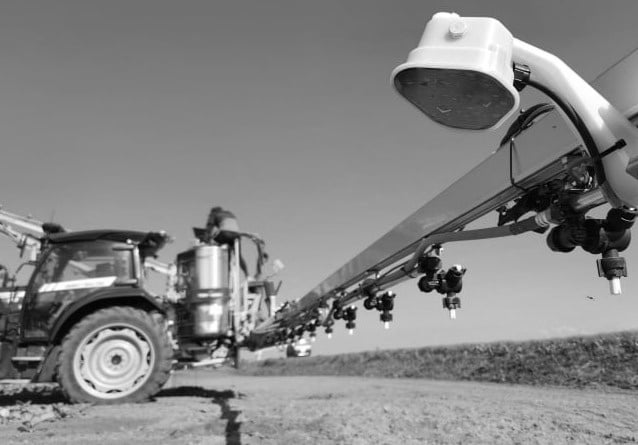
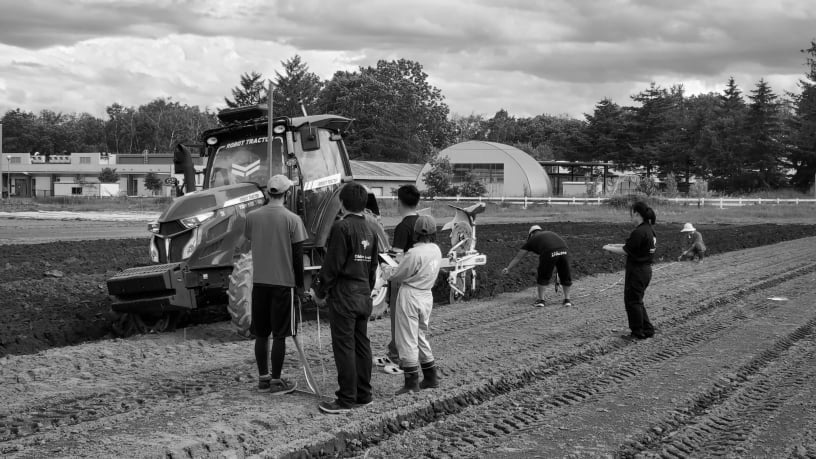
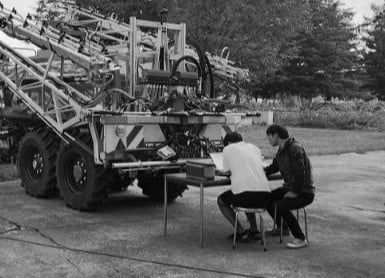
To automate pesticide spraying operations using large boom sprayers, several advanced technologies are required, including:
(1) automatic boom folding and unfolding at headlands,
(2) automatic boom-height control, and
(3) coordination with robotic tractors.
Our laboratory is conducting research and development toward the practical implementation of autonomous pesticide spraying systems.
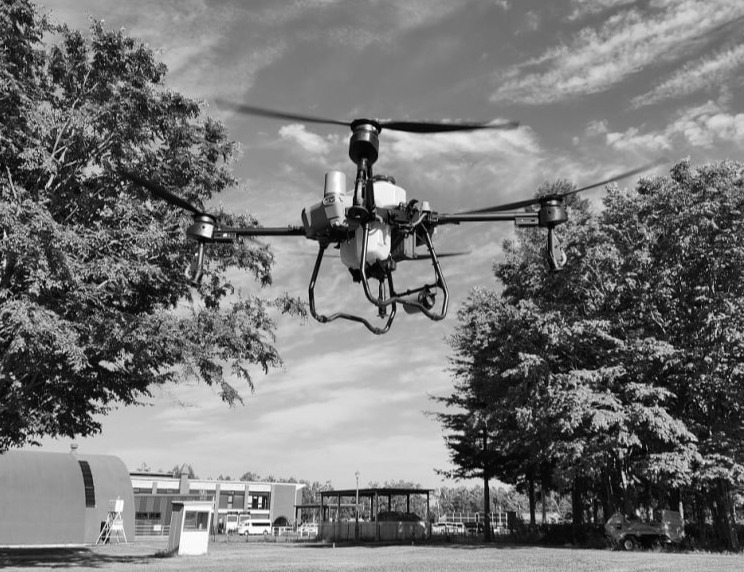
Visualization and Estimation of Pesticide Drift in Outdoor Applications
In outdoor pesticide applications, spray drift is influenced by turbulent wind conditions near the ground surface. Our laboratory is conducting research to estimate pesticide drift and visualize the distribution of spray coverage within the field.
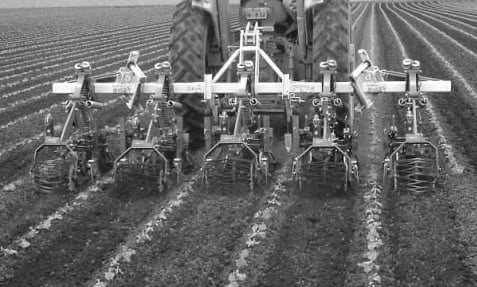
Cultivator-based weeding requires advanced driving skills due to the need for precise control. Even with auto-steering systems, operators are often forced to maintain awkward postures to monitor the implement from behind, in order to avoid damaging the crops. Our research aims to automate this task by using sensing technologies to recognize crop rows accurately.
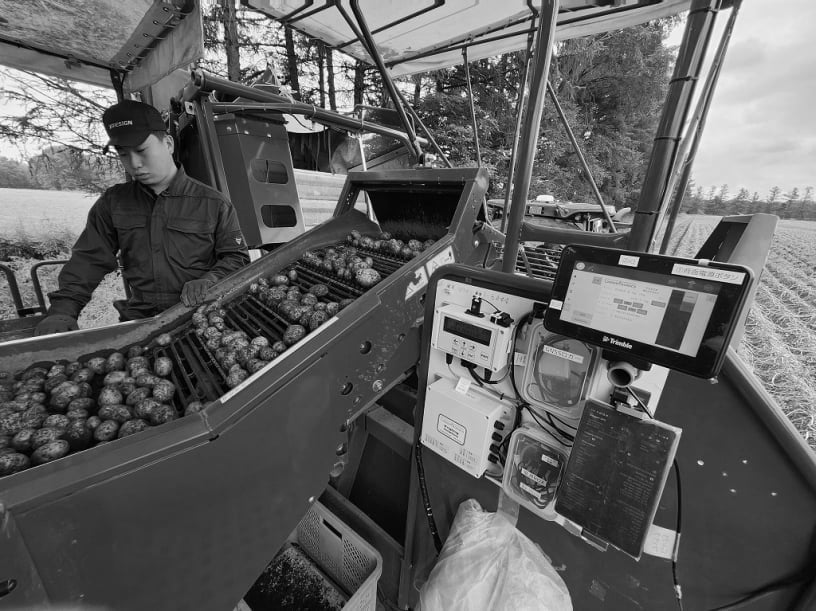
By collecting in-field yield distribution data using yield sensors, we can support key aspects of precision agriculture such as variable-rate fertilization and data-driven decision-making in farm management.
Our laboratory is developing a yield sensor system that can be installed on root crop harvesters, which often handle crops mixed with impurities such as soil and plant debris. The sensor system is designed to accurately measure yield even under these challenging conditions.
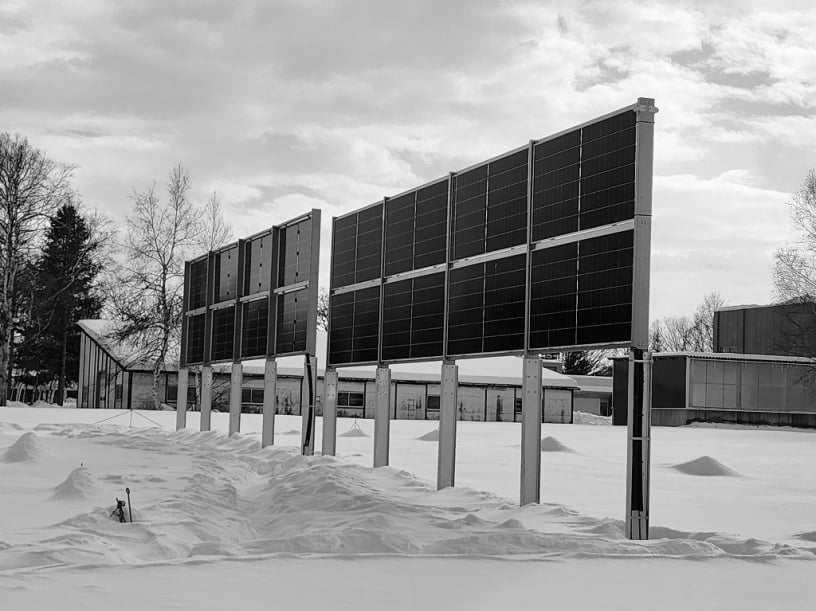
Through demonstration trials at full-scale agricultural fields, our research investigates the impact of installing vertical solar panel systems in the Tokachi region of Hokkaido.
These facilities aim to serve as a reference model for promoting renewable energy in agriculture and building sustainable energy supply systems tailored to the Tokachi area.
The study examines both the agronomic and environmental effects, with a focus on balancing energy generation and crop production.
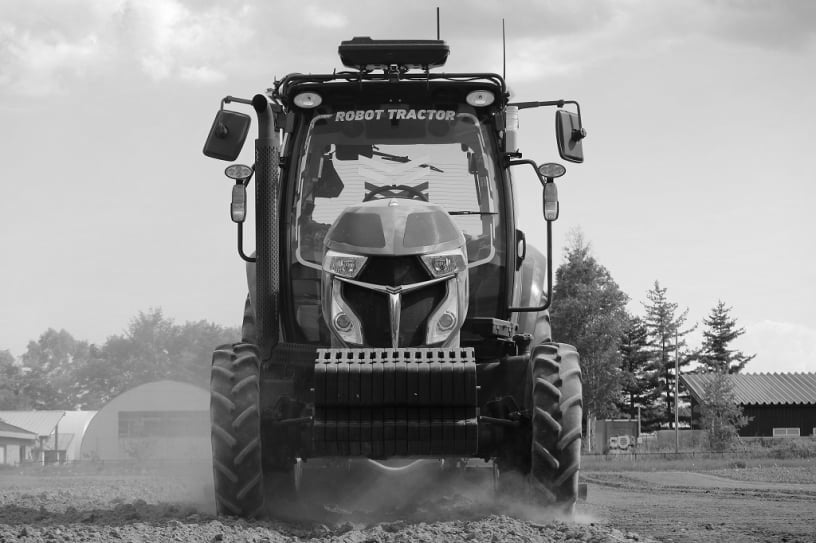
Although the use of unmanned agricultural machinery in field crop production is highly anticipated, several practical challenges remain before full-scale implementation can be realized.
Our research explores the potential of robotic tractors in real-world farming environments and identifies the key challenges that must be addressed for their practical implementation.
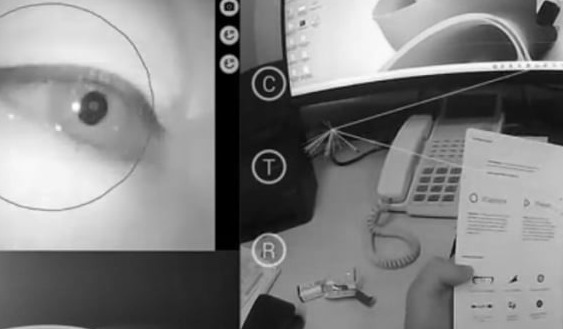
Our research analyzes the eye movements and gaze patterns of operators and supervisors during unmanned operations and autonomous driving tasks.
By assessing visual attention and workload, we aim to quantitatively measure both the physical and mental burdens associated with supervising automated agricultural machinery.
The findings contribute to improving human-machine interaction and designing safer, more user-friendly automation systems for agricultural fieldwork.
We are engaged in activities that support the introduction of smart agriculture technologies in developing countries, particularly in Africa.
Our goal is to contribute to sustainable agricultural development by applying automation, sensing, and data-driven solutions tailored to local farming conditions and needs.
In challenging environments, we often face repetitive and physically demanding experiments.
It can be tough — but finding ways to make it enjoyable is part of the process and can even become a source of motivation.
Whether it’s writing code to automate repetitive tasks in a flash, or building custom machines to carry out experiments automatically, there’s always room for creativity and innovation.
The greater the challenge, the greater the reward.
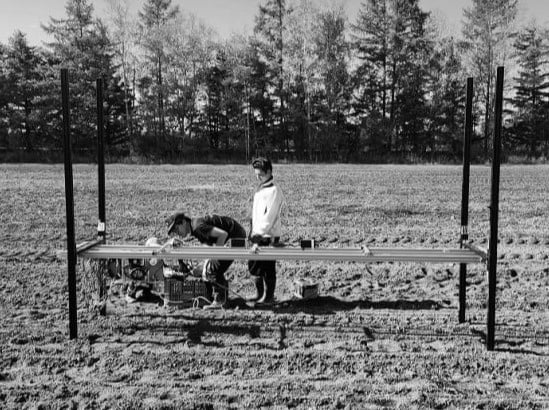
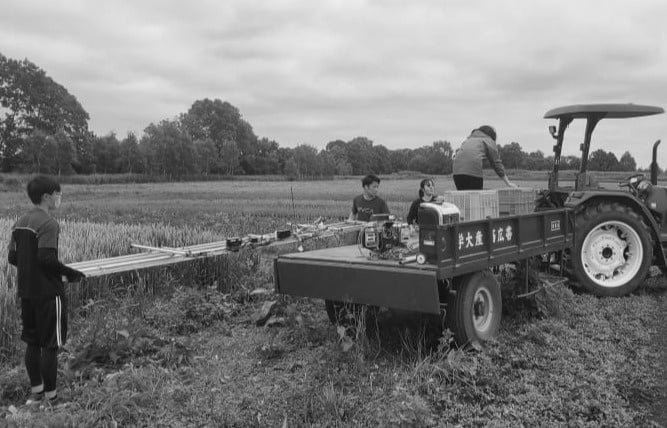
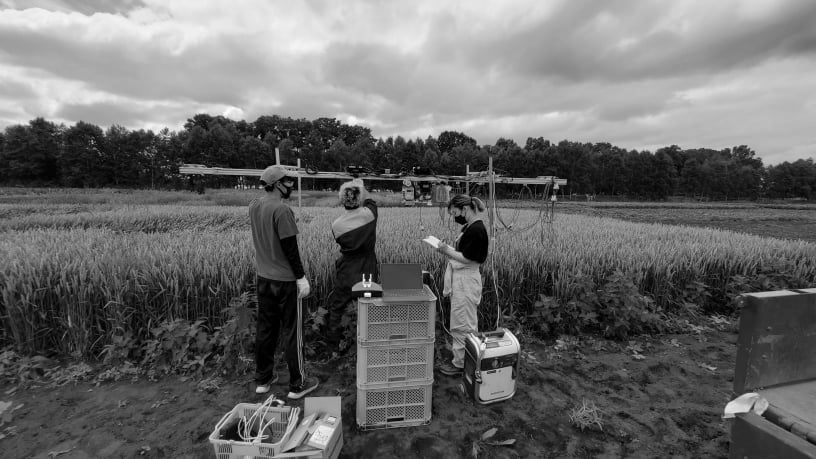
While some research can be done quietly and independently, many experiments involve handling heavy equipment or delicate instruments that require careful attention.
In such cases, teamwork is essential.
Students work together to carry out experiments safely and efficiently, building not only research skills but also a spirit of cooperation and mutual support.
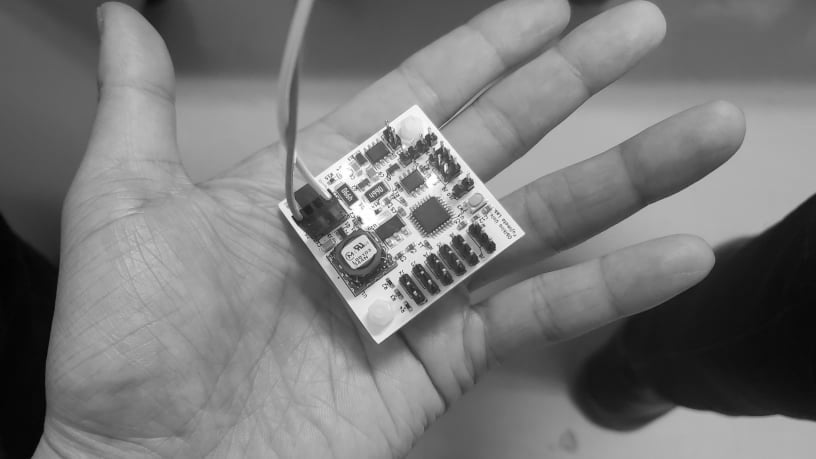
Even if a technology seems difficult or unfamiliar — like designing electrical circuits — you have to take the initiative to learn it yourself.
If something doesn't exist, you either build it from scratch… or pay someone to build it for you — assuming you have the budget, of course.
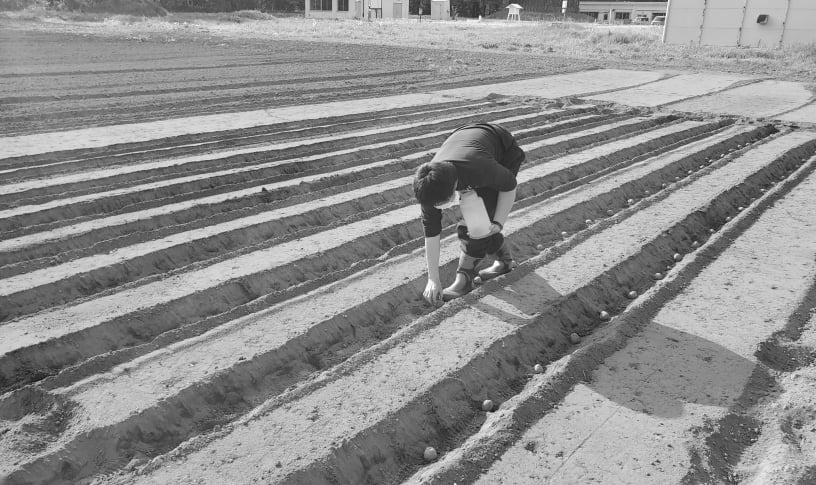
Even though we’re a laboratory that specializes in agricultural machinery, there are times when we don’t actually use any machines.
Depending on the size of the test plot, we may end up sowing seeds by hand.
It’s not always high-tech — sometimes, it’s just hands-on.
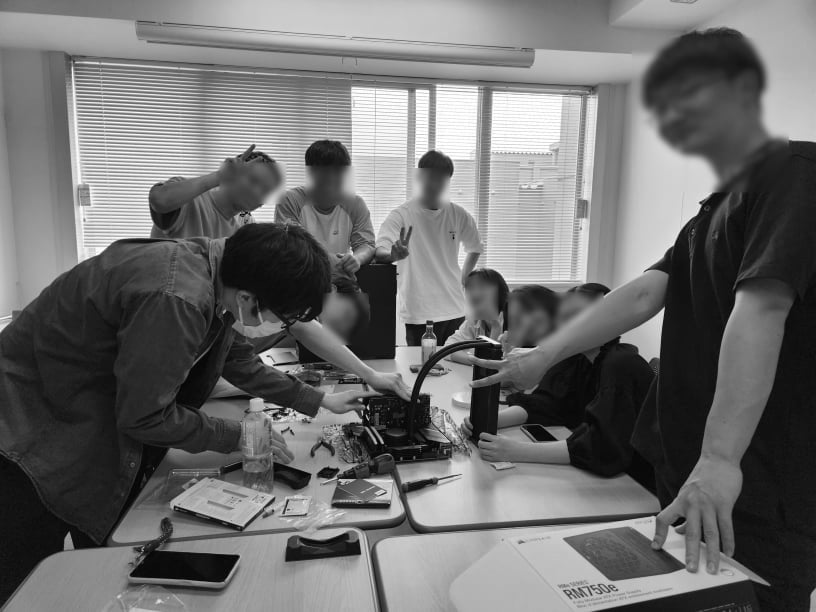
In our lab, we build our own computers — from assembling hardware to installing the OS.
It might sound difficult at first, but don’t worry — most of the connectors are designed to fit only one way, so you really can’t go wrong.
Building your own PC is a great way to understand how it all works, and it’s also a lot of fun once you get into it.
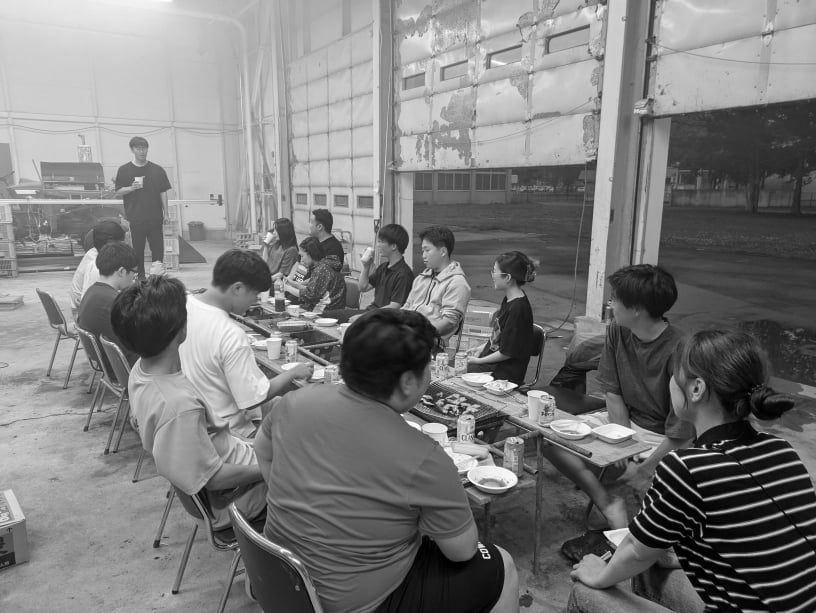
We have a few social gatherings throughout the year — yes, that includes the occasional drinking party.
But don’t worry, we don’t drink that much.
Sometimes we also have snack parties, which are great fun... though not so great for my health.
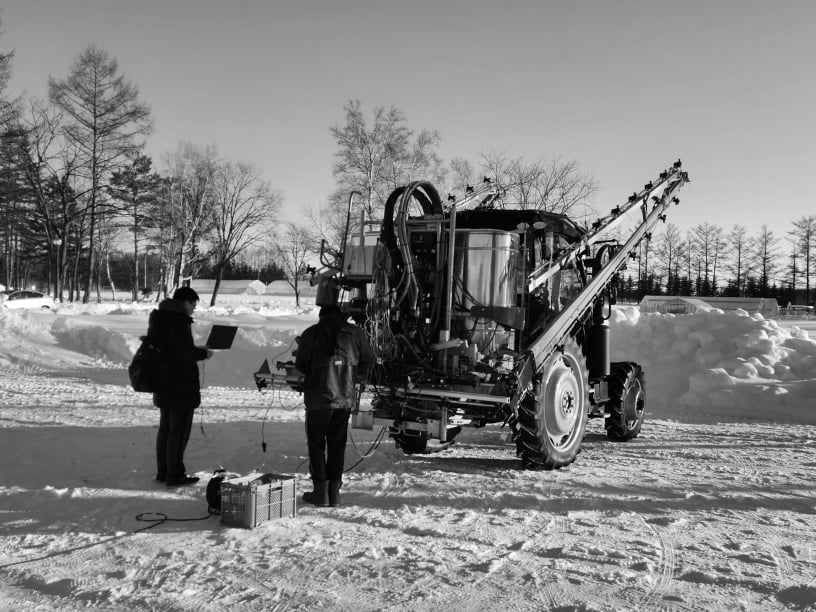
The best conditions for field experiments are, of course, during the warmer seasons.
But if your graduation research isn't finished before winter sets in... well, it gets tough.
Things don’t always go according to plan, and that’s okay.
Take your time, stay safe, and do what you can — one step at a time.
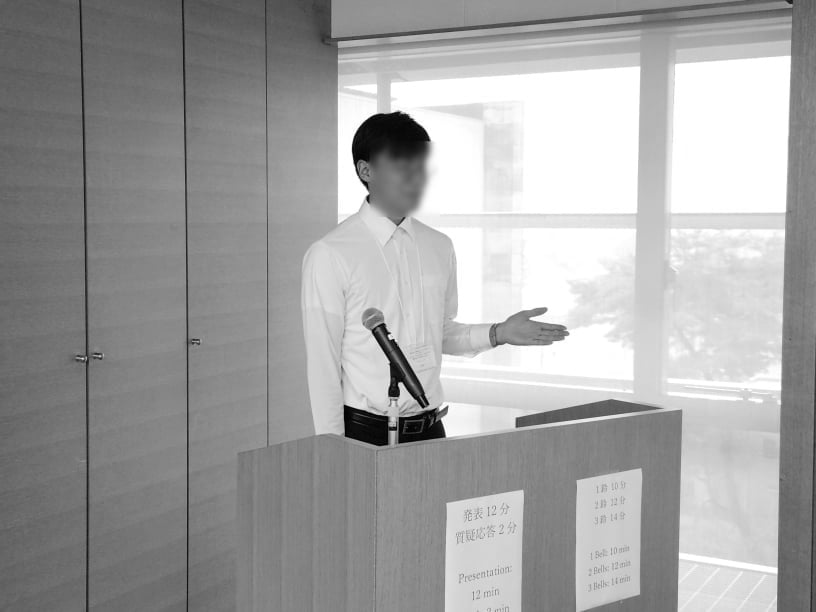
Presenting your research to a room full of experts is an important part of your academic training.
It's a chance to showcase the results you've worked hard to summarize and explain.
No matter how many times you rehearse, it’s natural to feel nervous — but solid preparation will help you walk away with no regrets.
Experiments, especially those involving large agricultural machinery, always carry a certain level of risk.
These machines can produce incredible power, so every test must be conducted with strict attention to safety.
If weather or other uncontrollable factors make conditions unsafe, we don’t hesitate to postpone or cancel.
Knowing when to stop is also part of being a good researcher — and the next experiment starts with a better plan.
I believe in the power of student initiative.
Please don’t hesitate to talk with your lab mates or senior students — support each other by combining your strengths.
While it’s tempting to give step-by-step instructions, I prefer to support from a distance and let you take ownership of your learning.
For now, there is no fixed core time — how you manage your time is up to you.
On a sunny day, why not take your laptop outside?
Coding under the blue sky can be surprisingly refreshing — a change of scenery might even help you solve that tricky bug you've been stuck on.
Sometimes, the best ideas come with a bit of sunshine and a light breeze.
Free AI Website Maker